Blended families add complexity to estate planning. Done poorly, they can create conflict. Done well, they protect everyone you love.
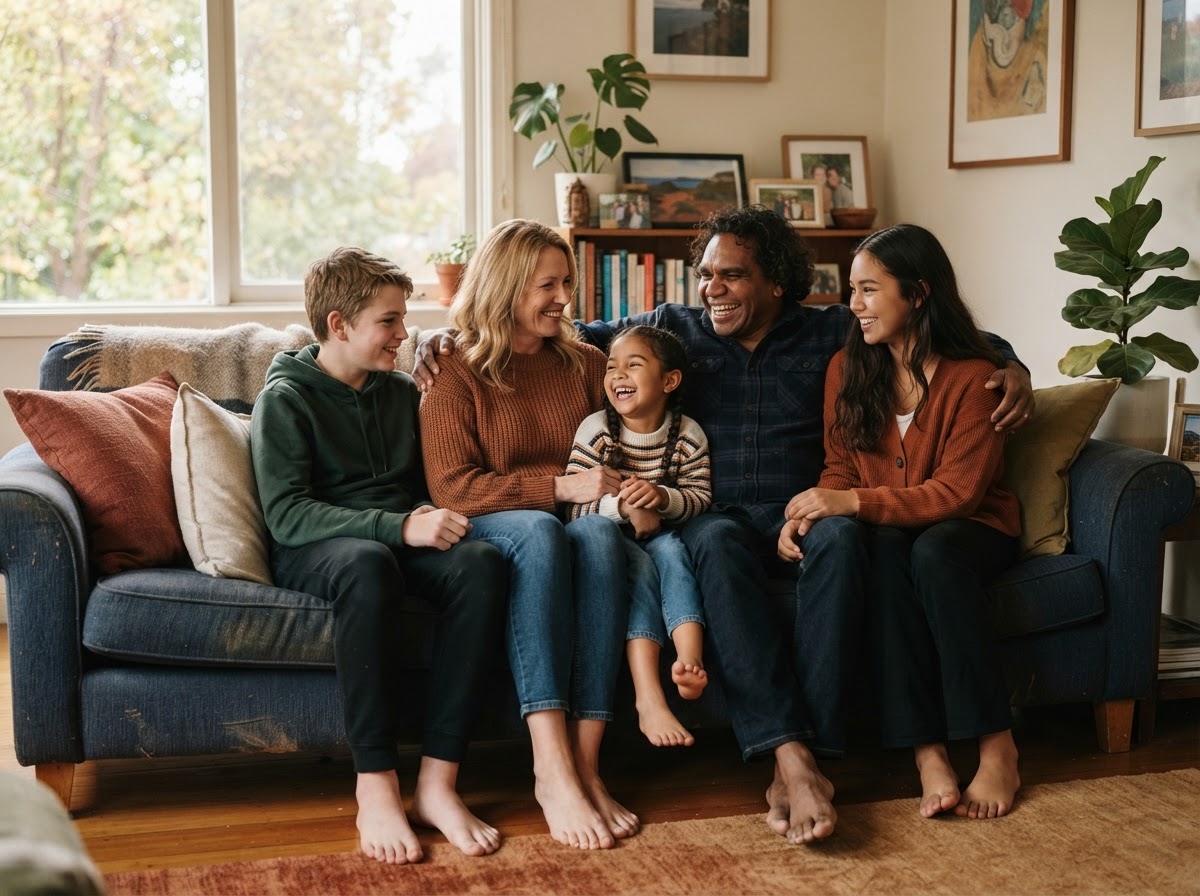
Blended families — where one or both partners have children from a previous relationship — are now common in Australia. They bring with them a richness of relationships and a complexity of estate planning that 'traditional' nuclear families rarely face. The goal in most blended-family estate plans is the same: to provide adequately for a surviving spouse during their lifetime, while ensuring that children from a prior relationship ultimately inherit. Achieving both of these objectives at the same time is the central challenge, and it is one where a simple, standard Will is often not up to the task.
The problem with a simple 'leave everything to my spouse' Will in a blended family is that it usually fails the second objective. If you leave everything to your surviving spouse, and they then leave everything in their own Will to their own children (or to a new partner), the assets may never reach the children of your first relationship. Your children could be entirely disinherited from your estate — not because you intended it, but because the structure of the gift allowed it to happen. This is one of the most common and painful sources of family conflict after a death in a blended family, and it is almost always avoidable with the right planning.
A number of tools are available to address this challenge, and the right combination depends on the family's circumstances, the assets involved, and the relationships between the people. The most flexible and widely used is the testamentary trust. By directing your share of the estate into a trust that gives your surviving spouse a right to income and, where appropriate, access to capital during their lifetime — while preserving the remainder for your children — you can provide for your spouse without giving them outright ownership of the assets that should ultimately pass to your children. The trust can be drafted so that the surviving spouse is comfortable and cared for, but so that the capital is protected for the children at the end of the day.
“A life interest or right of residence in the family home is another common tool. Under this structure, the surviving spouse has the right to live in the home for their lifetime (or until they choose to leave), and on their death the home passes to your children. This can be an effective way to provide security of housing for a surviving spouse while preserving the asset for the children. However, life interests come with their own complications: who is responsible for maintenance and repairs, who pays rates and insurance, what happens if the spouse needs to move into aged care, and what happens if the home must be sold because the spouse needs the funds. These issues need to be carefully addressed in the Will.
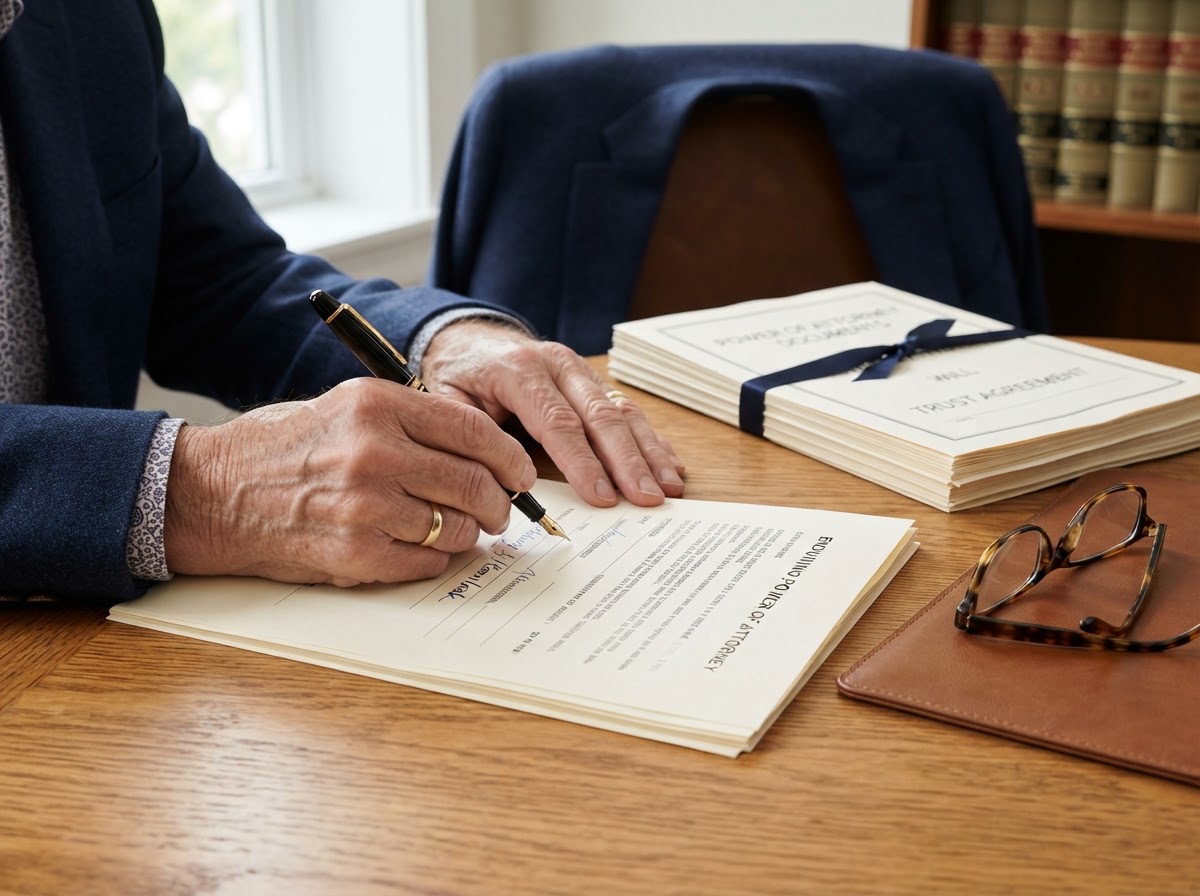
Mutual Wills are a further option, and one that is sometimes recommended for blended families. A mutual Will is one made pursuant to an agreement between the spouses that neither will change their Will after the first dies, so that the agreed distribution of the estate is preserved regardless of what the survivor later decides. This provides certainty that the children of the first relationship will ultimately inherit as agreed. However, mutual Wills carry their own trade-offs: the inflexibility of being bound to a Will that cannot be changed even if the survivor's circumstances change dramatically, and the equitable doctrine that can make the survivor's later estate subject to the terms of the agreement regardless of what their later Will says. For these reasons, mutual Wills are generally regarded as a blunt instrument and are often better replaced with a testamentary trust structure that achieves the same certainty with more flexibility for the surviving spouse.
There are also statutory protections in many states for family members who feel they have been inadequately provided for. In NSW, Victoria, Queensland and most other states, legislation allows eligible persons to make a family provision claim against an estate within a specified period after the grant of probate. In a blended family, where there are competing claims from a surviving spouse and children from a prior relationship, the risk of such claims is heightened, and the costs — both financial and relational — can be significant. A well-drafted estate plan that provides appropriately for all relevant family members is the best defence against such claims, and against the disputes that can drain an estate's value and poison family relationships for years.
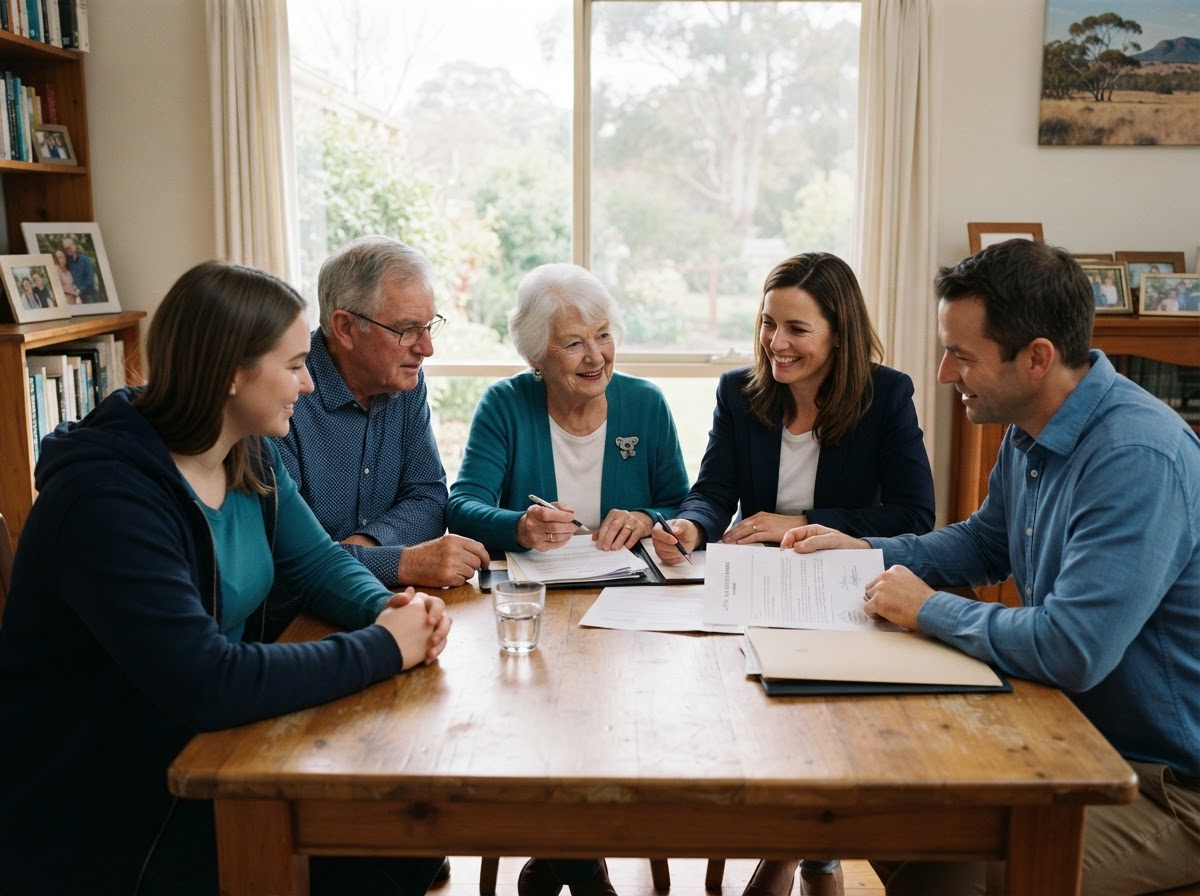
Clear, compassionate communication is just as important as the legal structures. Many of the disputes that arise in blended families after a death are not really about the money — they are about the feeling that a parent's intentions were misunderstood, or that a step-parent or step-sibling was treated unfairly or without consultation. Where it is possible and appropriate, discussing the estate plan with the family — or at least with those most affected — can help to set expectations, explain decisions, and reduce the likelihood of resentment turning into a legal dispute. A letter of wishes, or a conversation facilitated by an adviser, can also help to convey the reasoning and the love behind the structure.
The timing matters too. Blended-family planning is best done early, while the relationship is stable and the planning is driven by care rather than crisis. Structures put in place in anticipation of a relationship breakdown — or, worse, in the middle of one — are vulnerable to challenge under the Family Law Act, which has broad powers to set aside transactions entered into with the intention of defeating claims. Planning done in the ordinary course of a stable relationship, for genuine reasons, is far more resilient.
We help blended families design and document arrangements that honour every relationship — the current partnership and the children from prior relationships alike — while minimising the chance of dispute and the risk of the estate being eroded by conflict or claims. As SAPEPAA-accredited advisers working alongside Abbott & Mourly Lawyers, we bring the legal, tax and strategic elements together into a single plan that reflects your family's real circumstances. Book a Discovery Call to start the conversation.